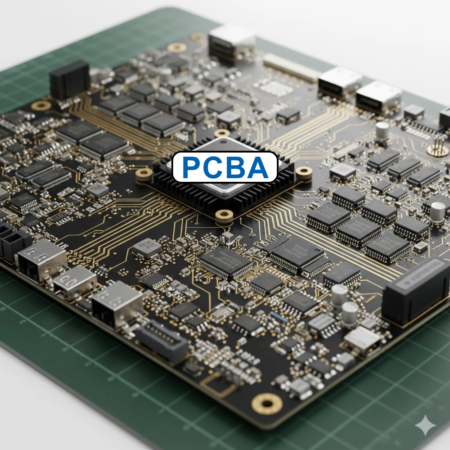

PCBA (Printed Circuit Board Assembly) refers to the complete process of populating a bare PCB with components via SMT, DIP insertion, and soldering (Reflow, Wave, or Manual Soldering). As electronic products trend toward miniaturization, PCBA dimensions are shrinking, while requirements for reliability and stability are becoming increasingly stringent. Consequently, many brands and solution providers mandate the application of conformal coatings to SMT assembly to enhance product durability.
However, thorough cleaning is mandatory before applying conformal coatings. Flux residues generated during soldering are often acidic, soluble, or corrosive. If these contaminants are not removed prior to coating, they become trapped underneath, causing severe long-term damage to the board.
To address this, SPERTAR outlines the critical precautions for PCBA cleaning:
1. Timeliness is Critical
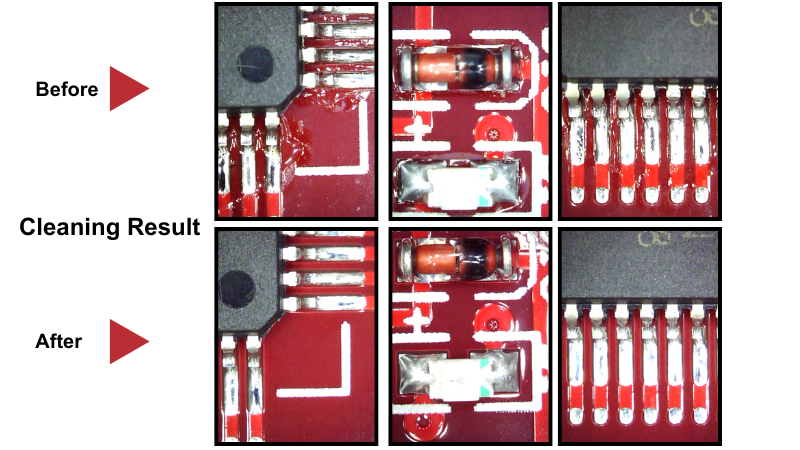
PCBA boards should be cleaned immediately after soldering. Flux residues are hygroscopic and will absorb moisture over time, generating corrosive byproducts. Prompt cleaning effectively removes residual flux and contaminants, preventing corrosion at the source.
2. Protect Sensitive Components and Ensure Complete Drying
Protection: During cleaning, strictly prevent cleaning agents from penetrating into unsealed components (e.g., connectors, sensors) to avoid short circuits or component failure.
Drying: After cleaning, place the PCBA boards in an oven at 30-50°C for approximately 30 minutes. Ensure the boards are completely dry before removal; subsequent coating processes must never be performed on damp boards.
3. Preserve Components and Markings
Exercise caution during cleaning to avoid physical damage to sensitive components or the removal of silk-screen labels. Damage incurred during improper cleaning can render the entire assembled PCBA board useless, resulting in significant financial loss.
Conclusion
PCBA cleaning is directly linked to the service life and reliability of electronic products. Skipping this process can lead to short circuits, leakage currents, and other failures, resulting in product disqualification and increased costs for repairs and recalls. Therefore, investing in high-quality cleaning is essential for ensuring product quality and reliability.