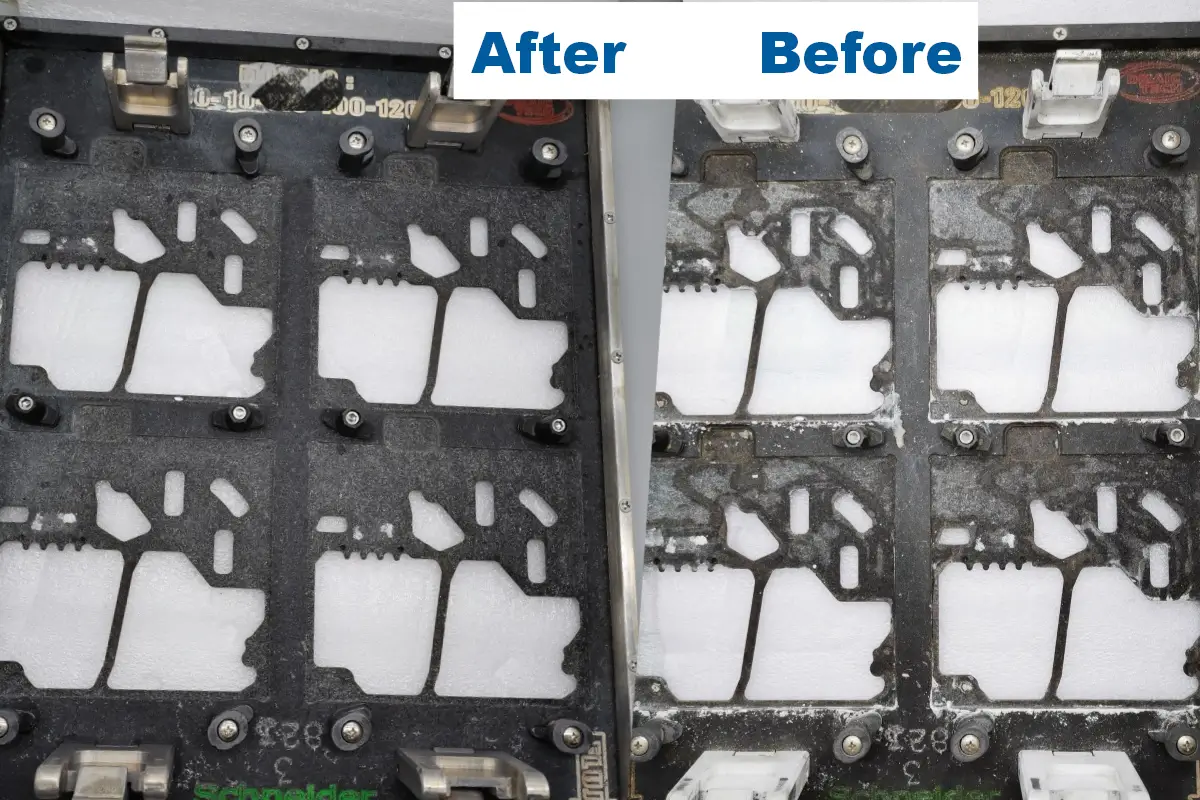
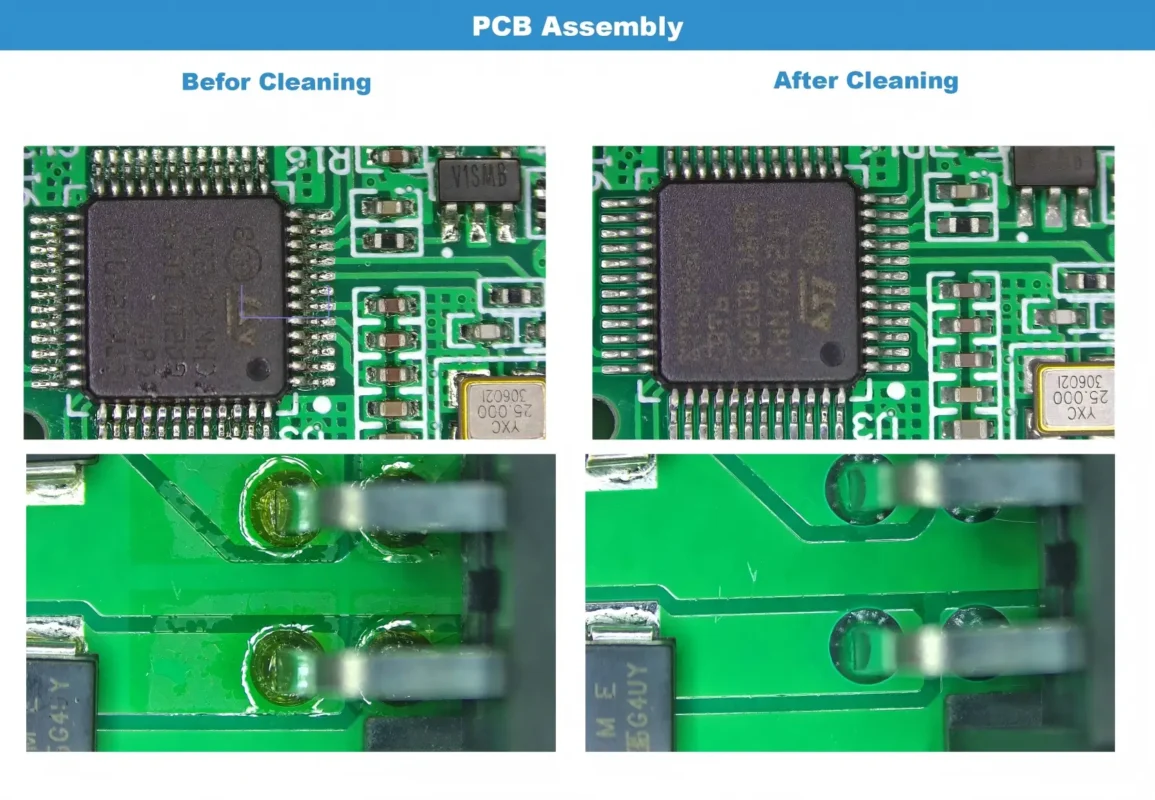
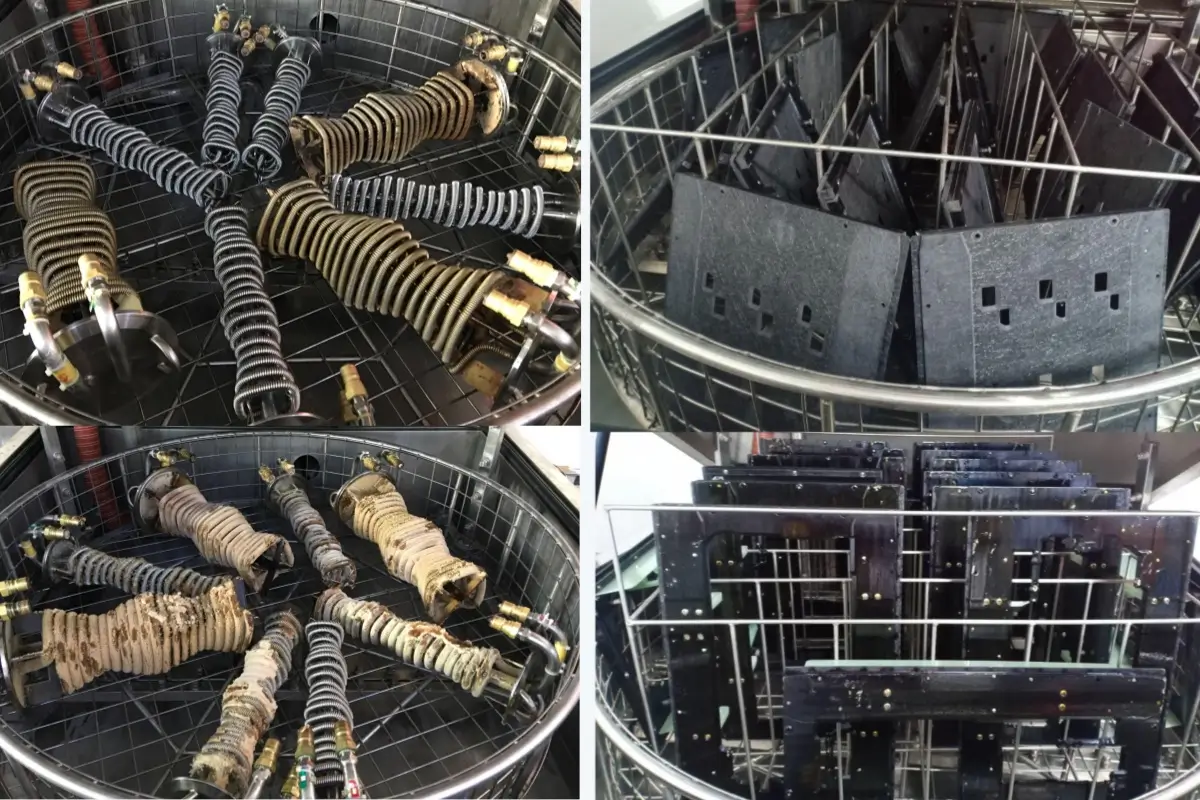
The Spertar AC620 is a high-performance Batch PCBA Cleaning Machine features vertical spray cleaning. The spray manifolds and air knives are fixed, while PCBA travels back and forth with fixtures (the most stable structure in pcb cleaning field), it can effectively remove flux from PCBs with fine-pitch and flip-chip components.
AC620 fitted with dual tracks and two complete cleaning zones on both sides. Each zone is equipped with 4 high-pressure spray manifolds and 4 professional drying air knives. Two rows of SIP/PCBA can be processed at the same time, doubling the production capacity.
The Spertar AC630 is a high-performance Batch PCBA Cleaning Machine features vertical spray cleaning. The spray bars and air knives are fixed, while PCBA travels back and forth with fixtures (the most stable structure in pcb cleaning field), it can effectively remove flux from PCBs with fine-pitch and flip-chip components.
AC620 fitted with dual tracks and two complete cleaning zones on both sides. Each zone is equipped with 4 high-pressure spray bars and 4 professional drying air knives. Two rows of SIP/PCBA can be processed at the same time, doubling the production capacity.
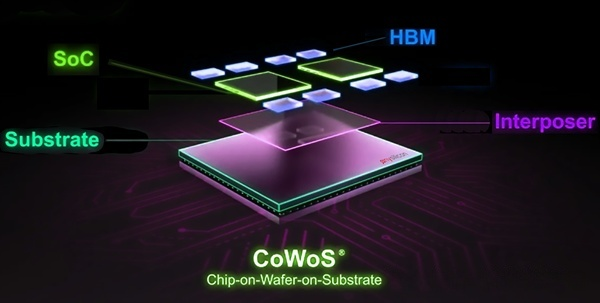
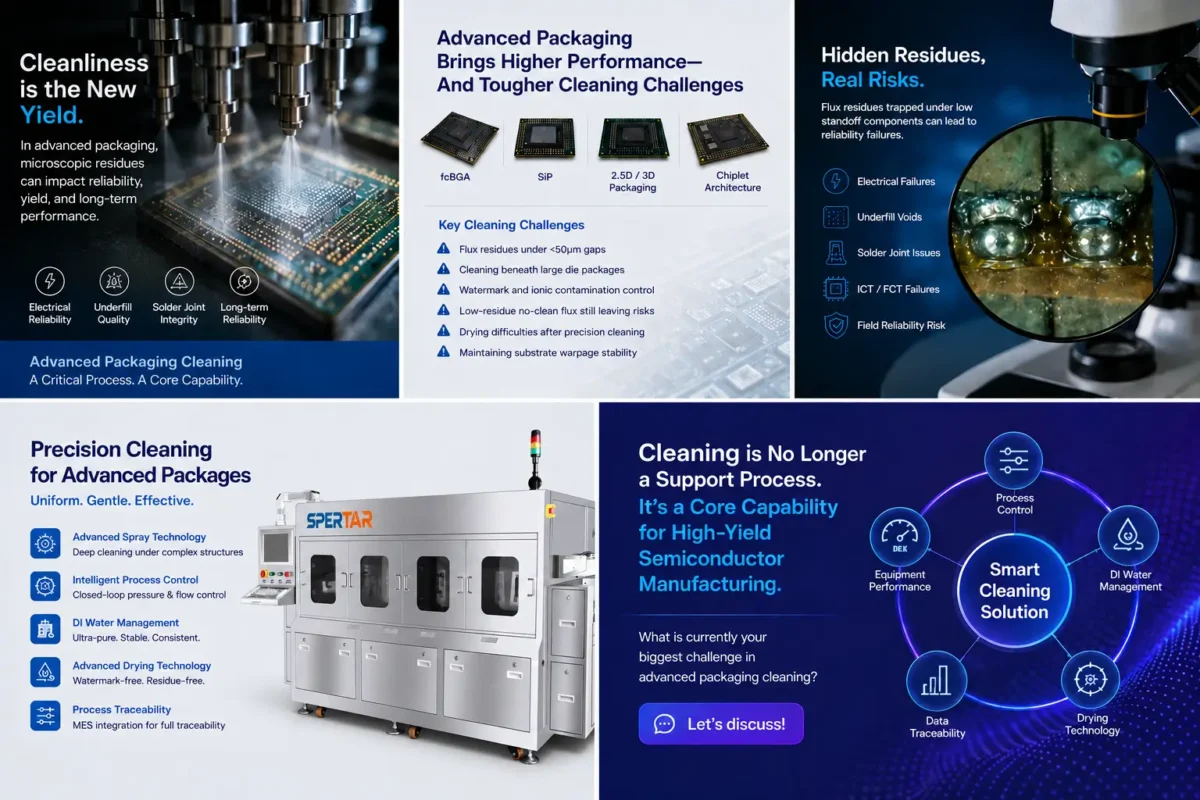
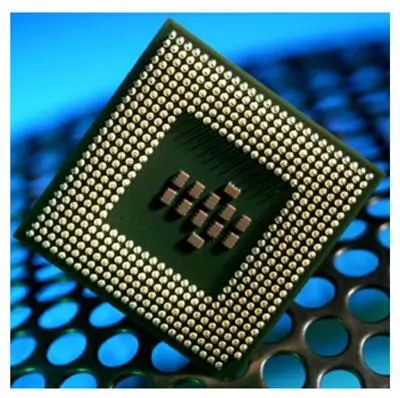
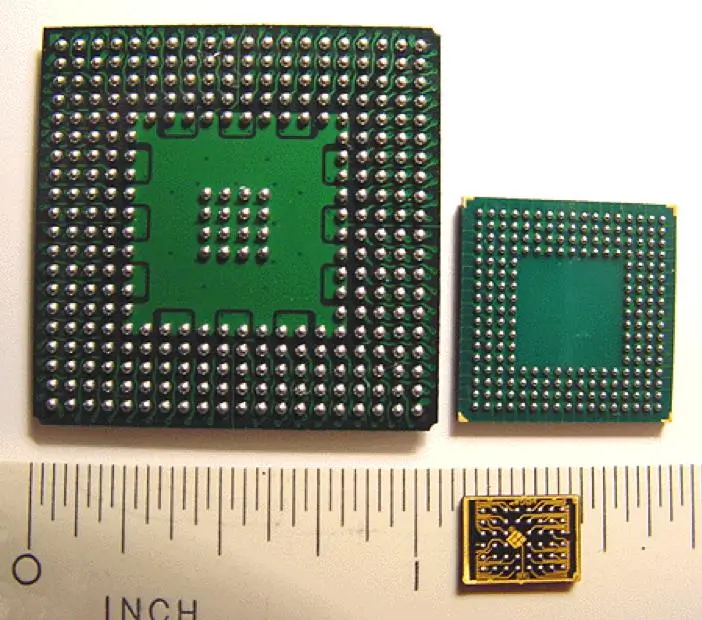
FC730 is FCBGA or SIP flux auto cleaning system, engineered for high‑precision flux removal in FCBGA (Flip Chip Ball Grid Array), FCCSP (Flip Chip Chip Scale Package) and SiP (System in Package) module manufacturing. As advanced packaging technologies continue to shrink component gaps and increase I/O density, the FC730 delivers the cleaning performance required to maintain high yield and reliability in modern semiconductor packaging assembly lines.
FC720 is a new-generation inline spray cleaning machine independently designed and manufactured by ACTSPRAY for automatic flux residue removal from PCBA assemblies, SiP modules and low-gap flip chip packages.
The system combines multi-stage chemical spray cleaning, chemical isolation, multi-stage DI water rinsing, air knife and hot air drying in one continuous inline process. Special spray nozzle combinations and adjustable upper/lower spray systems help cleaning liquids penetrate narrow gaps and remove flux residues from densely populated PCBA assemblies and low-standoff semiconductor packages.
With a 600 mm-wide stainless steel mesh conveyor, adjustable conveyor speed and fully monitored cleaning parameters, FC720 provides a stable and repeatable cleaning process for automated electronics and semiconductor packaging production lines.
DI200 is used to turn tap water into DI water and supply to our PCBA batch type cleaning machine for DI water rinse after liquid cleaning. It consists of three main components: pre-treatment system, RO reverse osmosis system, and MB mixed bed system. The equipment features easy operation, stable performance, and fully automatic operation, ensuring high effluent resistivity.
AC106
According to the method of ionic contamination degree test defined in IPC-TM-650, the test process includes 3 processes: solvent regeneration, ion contamination solvent extraction and ion contamination degree measurement.
This tester adopts a high-purity, high-capacity ion exchange device. Before each test, the solvent is regenerated through the ion exchange device according to the setting value to ensure that the ion content in the solvent meets the test requirements before each test.
The LTV-500 Low Temperature Wastewater Evaporator is a high-efficiency energy-saving vacuum evaporation wastewater treatment equipment independently developed based on advanced heat pump vacuum evaporation technology. It is widely applied in industrial wastewater concentration and purification scenarios, especially suitable for treating cleaning wastewater containing flux, cleaning agent and oil impurities such as PCBA rinsing water and fixture cleaning wastewater. It can process 500 liters/day of wastewater in 24 hours.
Our Solvent Distillation Recyclers is designed for both Automotive and Industrial applications. Our goal is to reduce hazardous waste with solvent recovery using distillation recyclers consequently cutting costs on solvent purchases.