Introduction
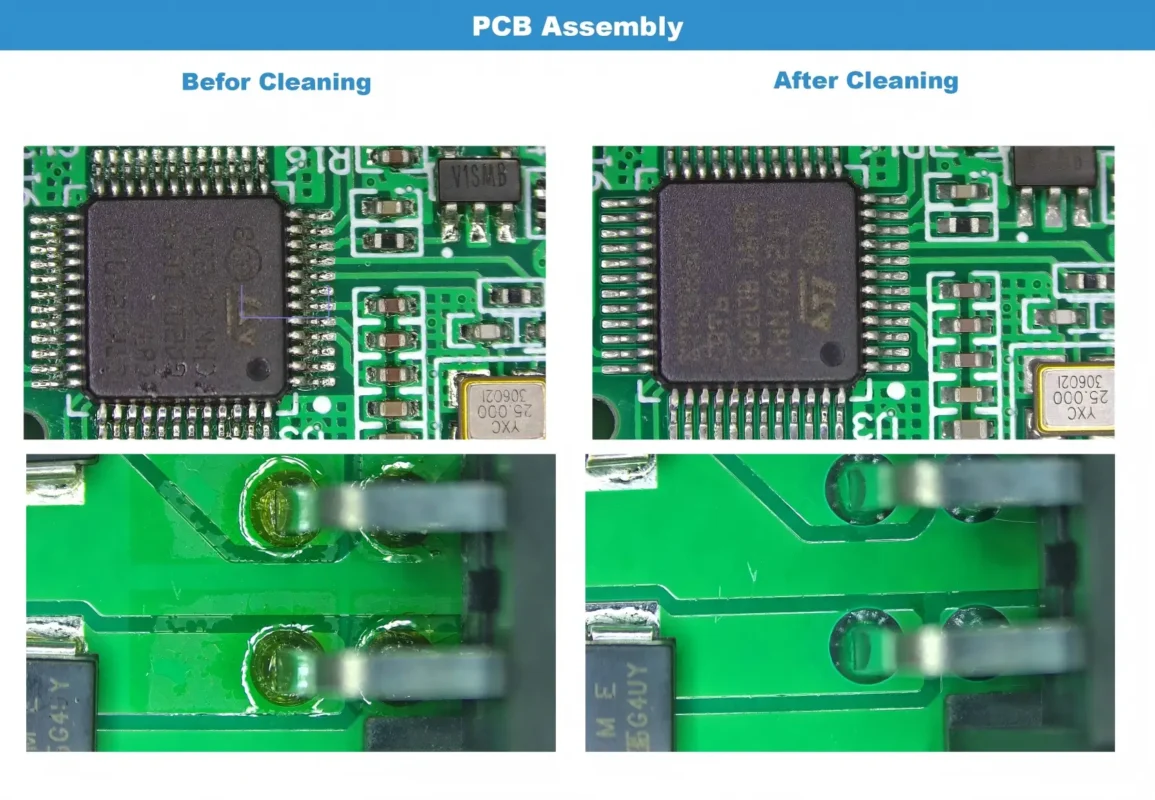
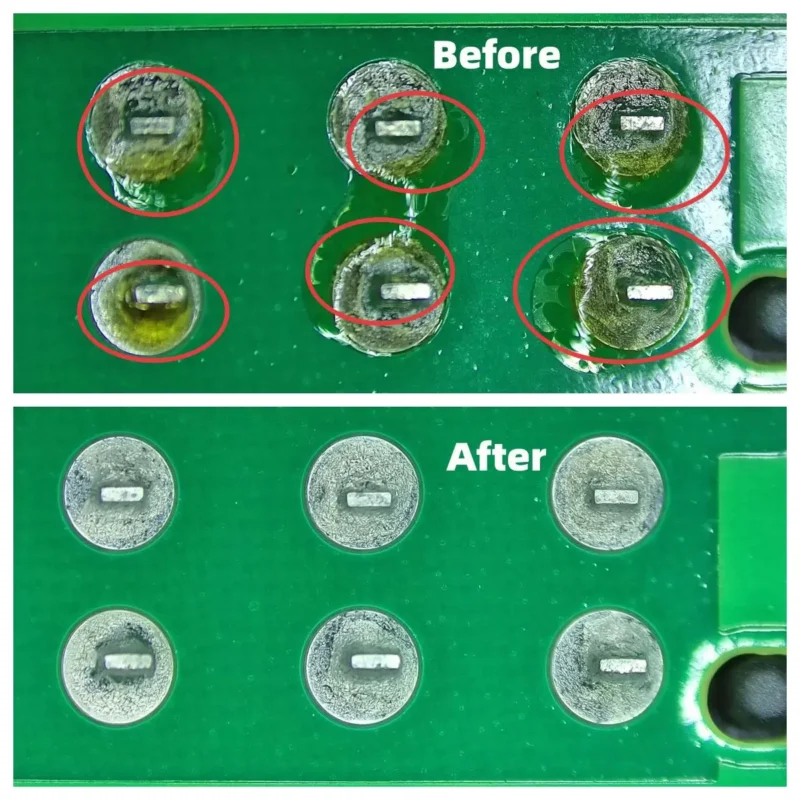
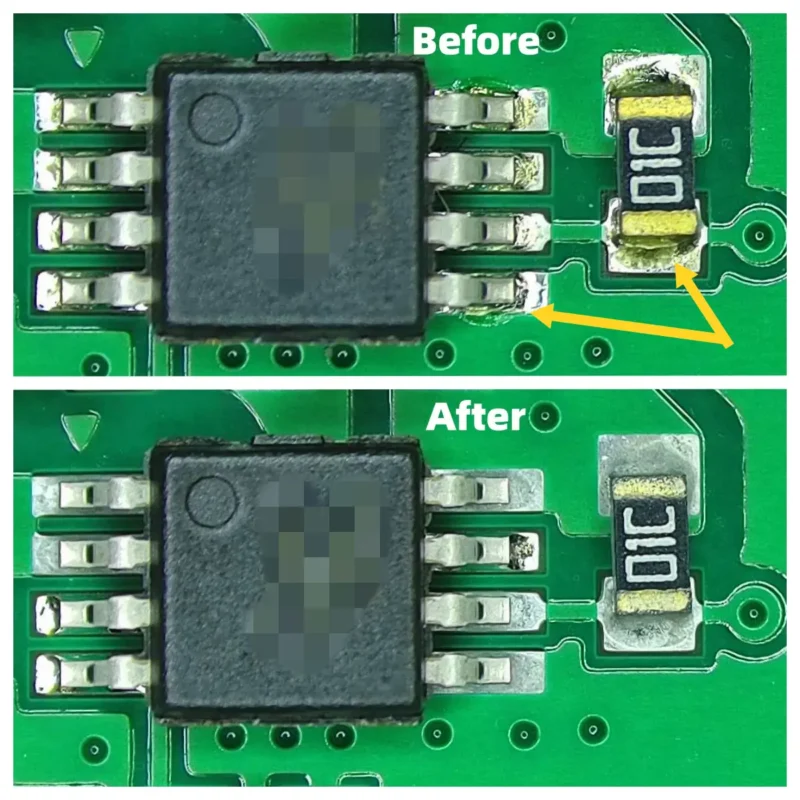
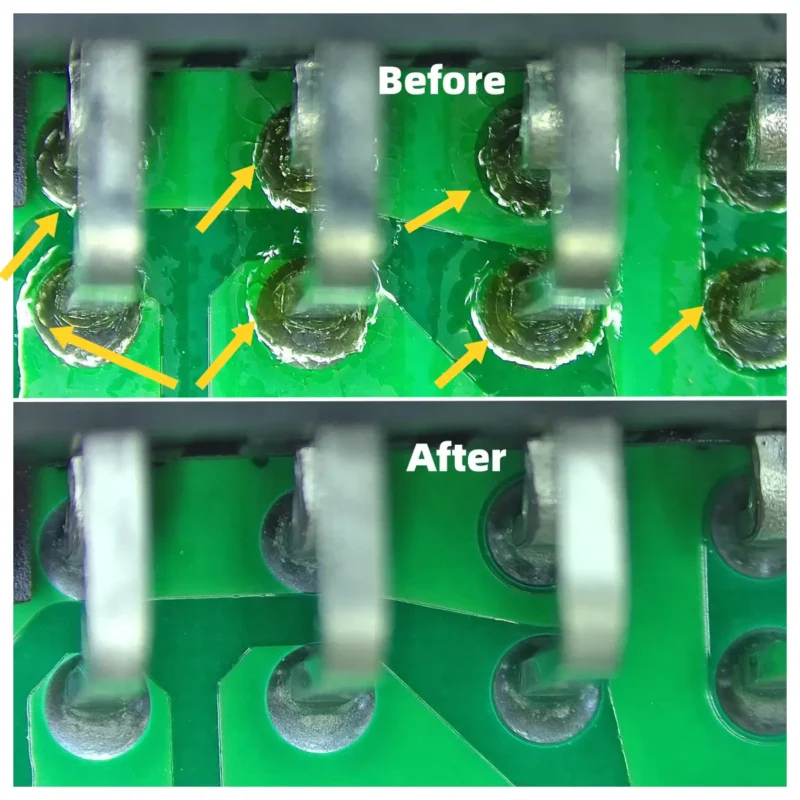
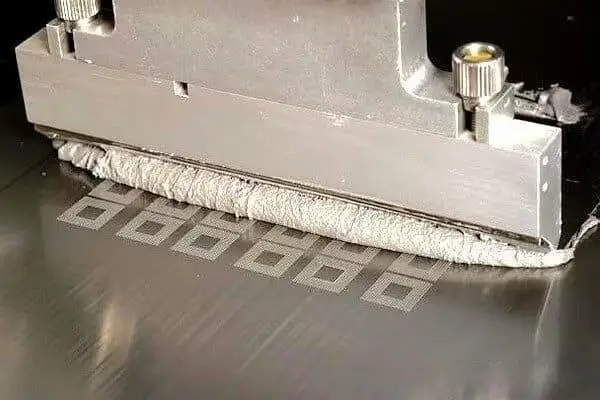
In SMT production, stencil cleanliness plays a critical role in ensuring consistent solder paste printing. Contamination such as flux residue and solder paste buildup can lead to defects, reduced yield, and costly rework.
Why Stencil Cleaning Matters
Dirty stencils can cause:
- Solder bridging
- Insufficient solder deposits
- Misalignment and poor print definition
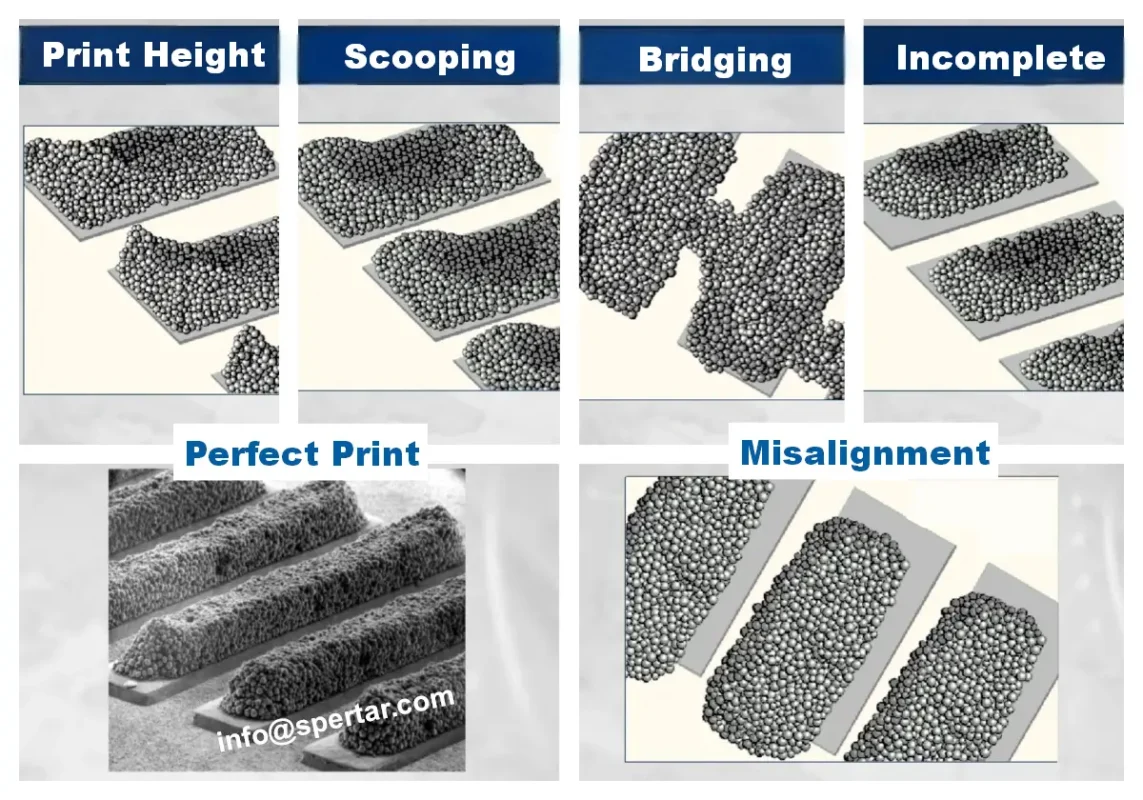
Regular and effective cleaning ensures stable PCB assembly quality and higher production efficiency.
Methods of Cleaning SMT Stencils
1. Manual Cleaning
Low cost but inconsistent and labor-intensive.
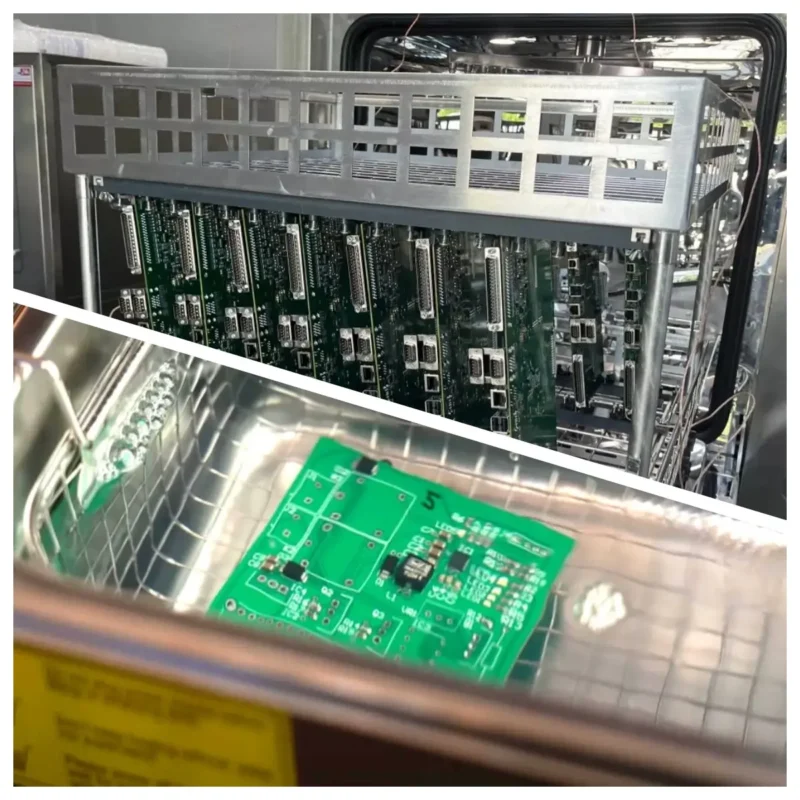
2. Ultrasonic Cleaning
Effective but limited for large stencils and requires drying.
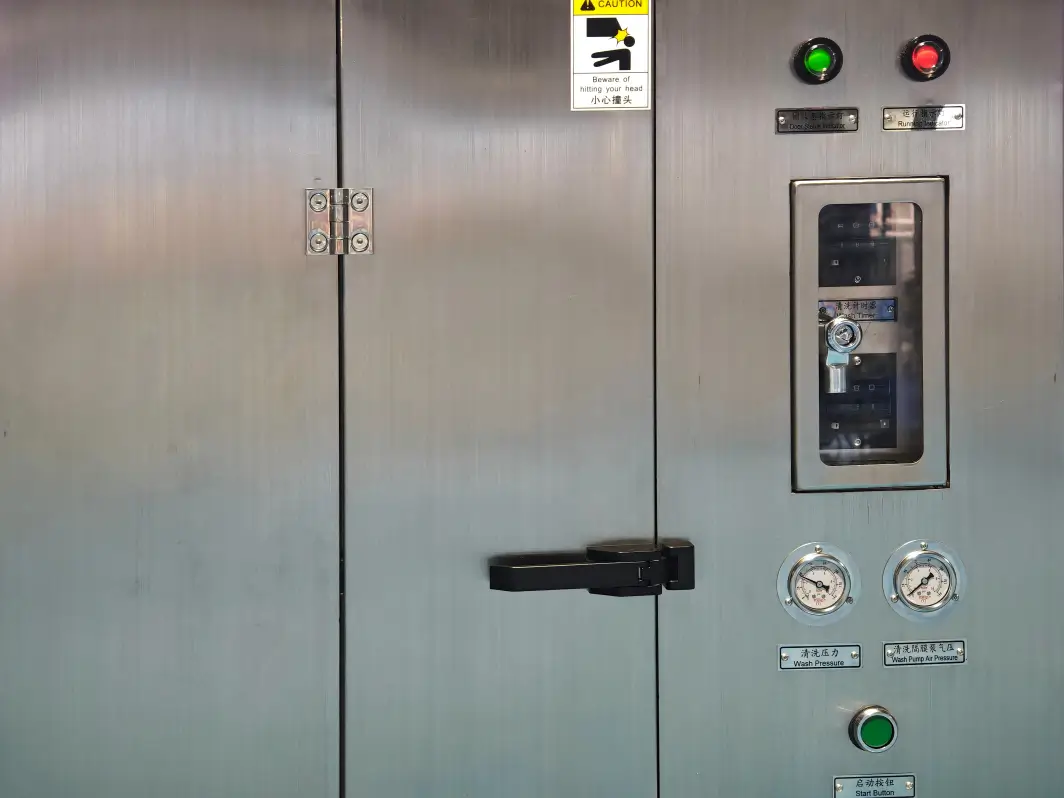
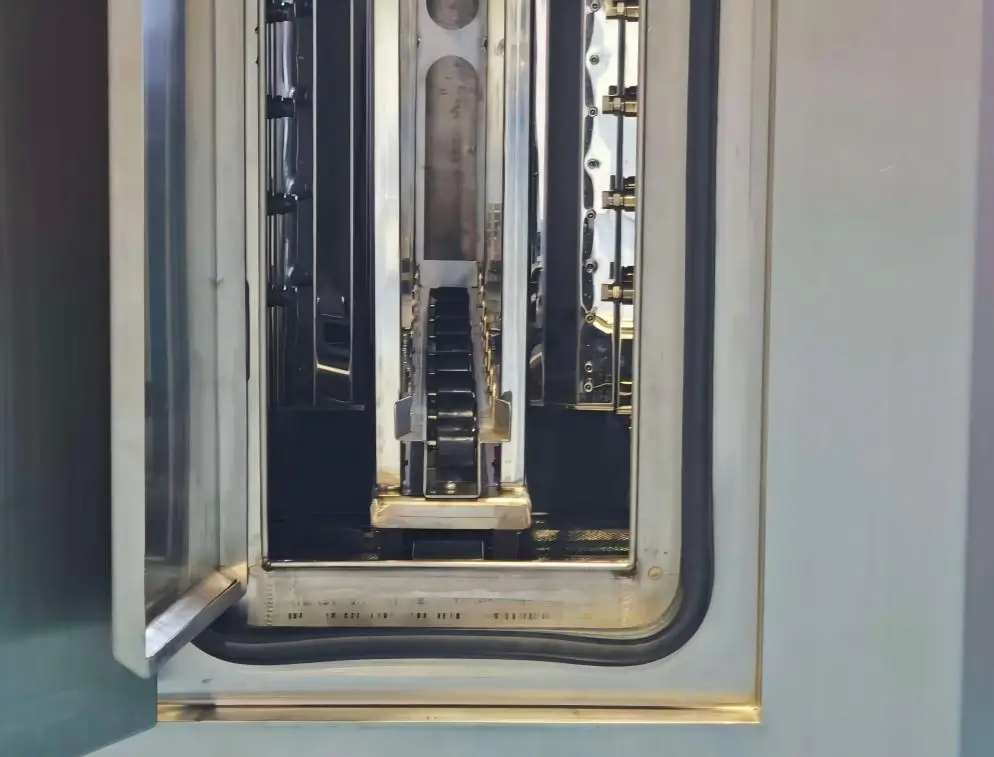
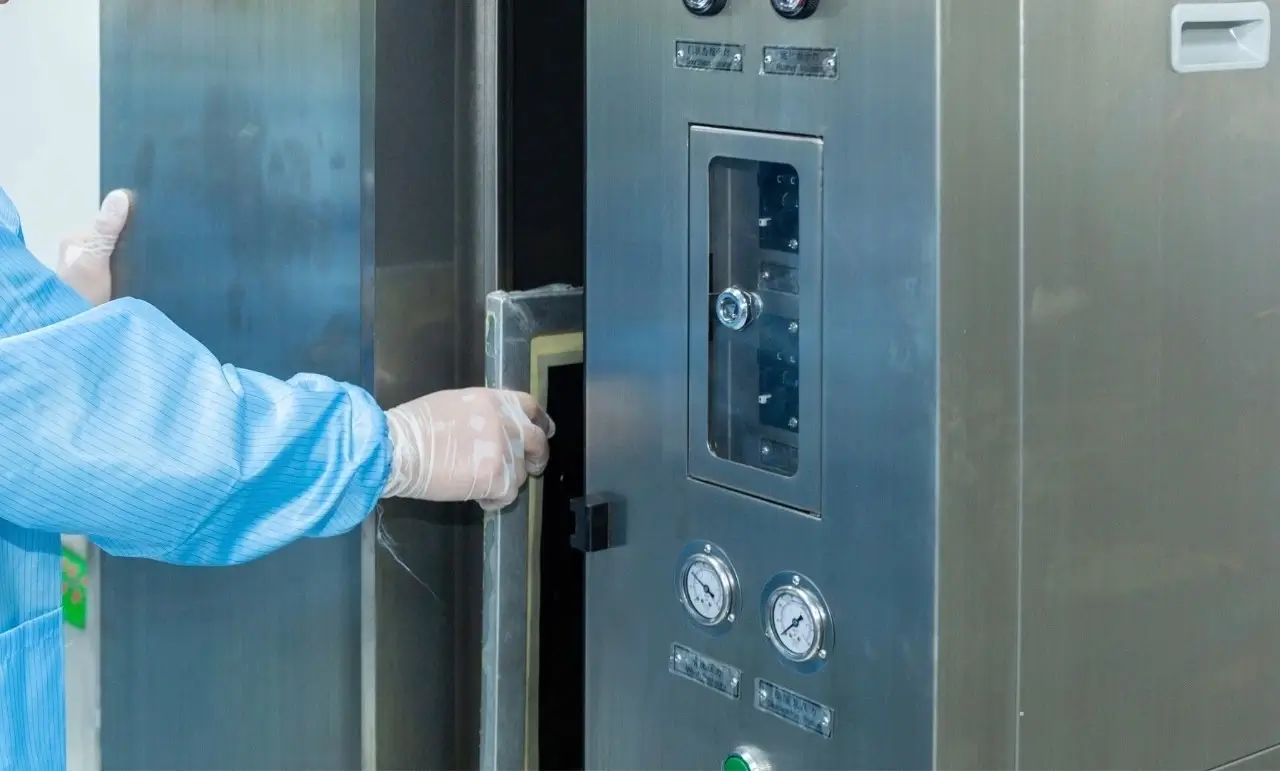
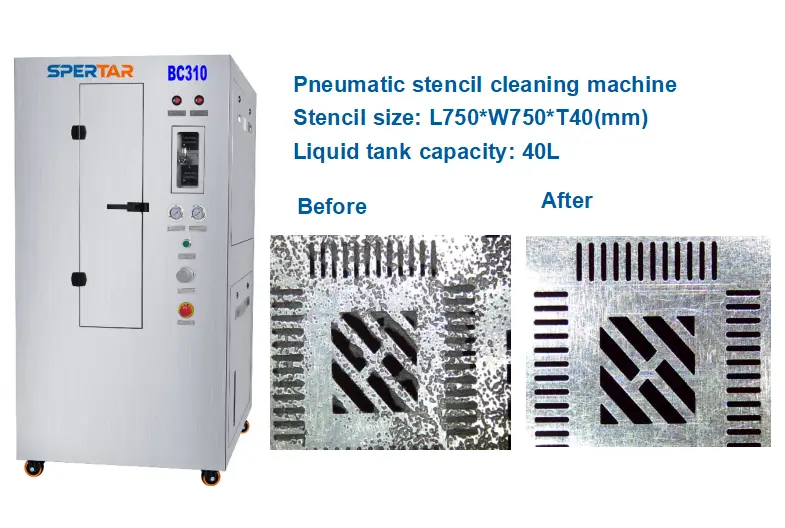
3. Automated Pneumatic Cleaning (Recommended)
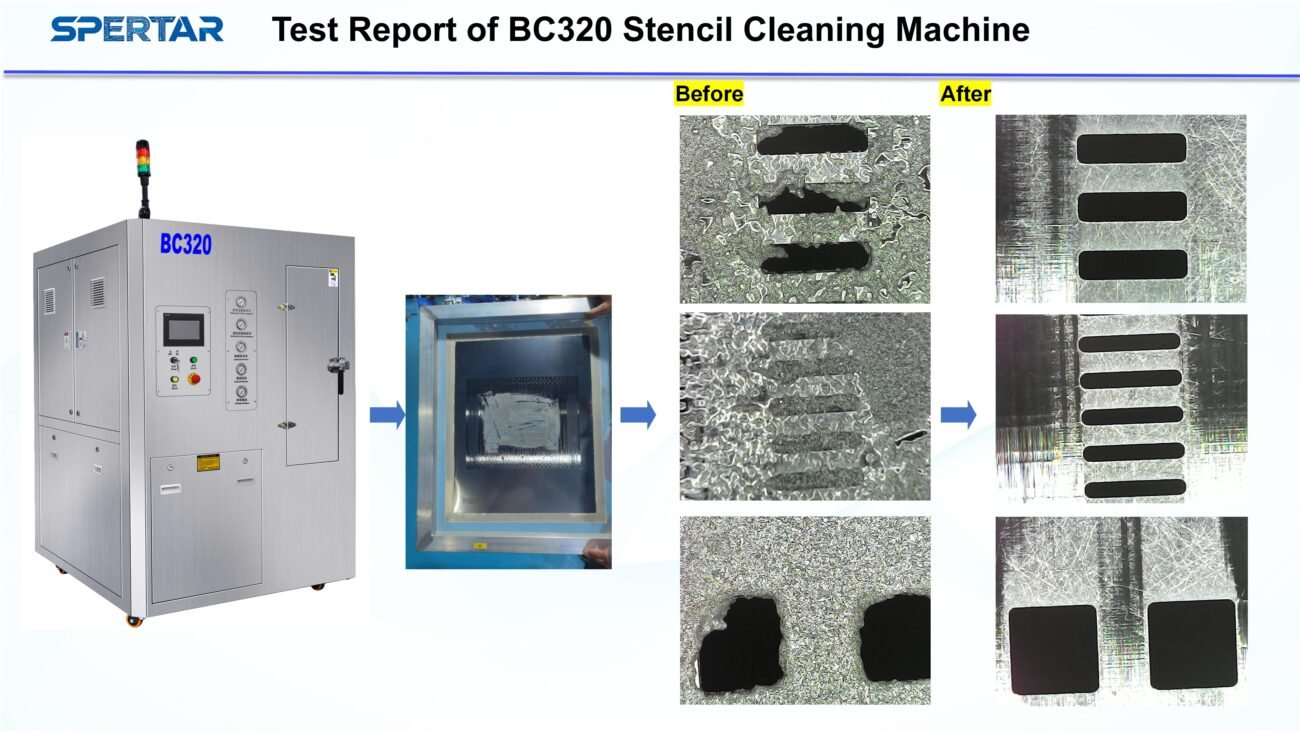
Uses high-pressure spray to remove contaminants quickly and safely.
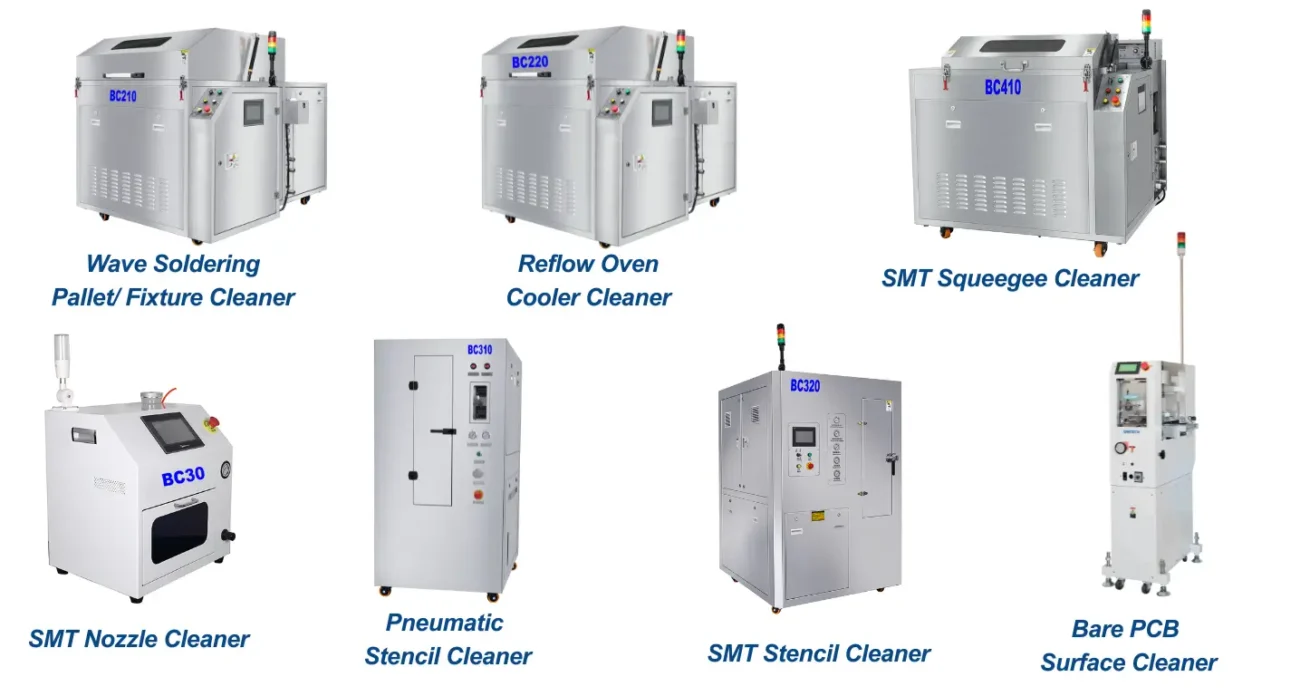
👉 For high-efficiency cleaning, many manufacturers use a pneumatic stencil cleaner or electric stencil cleaner .
Step-by-Step Cleaning Process
- Spray cleaning with solvent or water-based solution
- Rinse stage (optional)
- Air drying
This ensures complete residue removal without damaging stencil tension.
Best Practices
- Clean stencils regularly (every few cycles)
- Use compatible cleaning liquids
- Choose automated systems for consistency
FAQ
Q: How often should SMT stencils be cleaned?
A: Depending on production volume, typically every few prints, or every 4 hours.
Q: What is the best cleaning method?
A: Automated pneumatic cleaning provides the best balance of efficiency and safety.
Call To Action
👉 Looking for a reliable stencil cleaning solution?
Request a quote or test your stencil with our system today.