Pneumatic vs Electric Stencil Cleaner: Which One is Better for SMT?
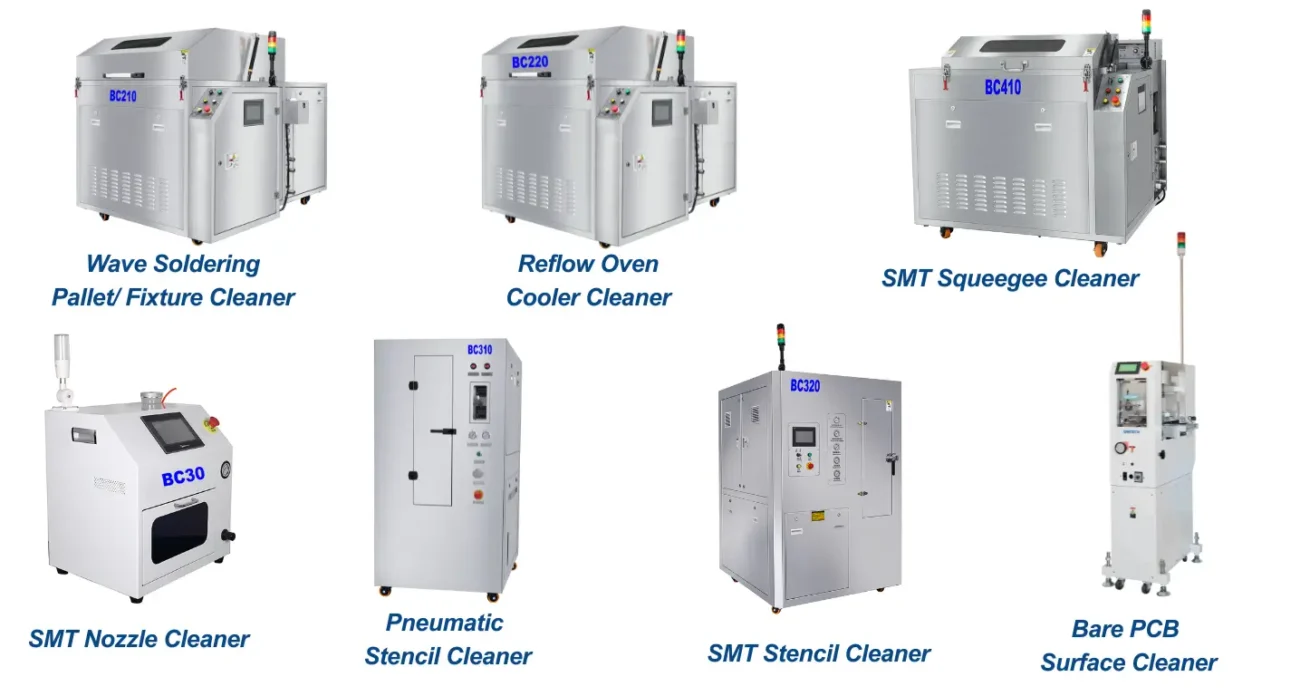
Choosing the right stencil cleaning machine is critical for PCB manufacturers. The two main types are pneumatic and electric systems.
Advantages of Pneumatic Stencil Cleaner
- Intrinsic safety: No electrical components, suitable for flammable solvents.
- Gentle cleaning: Stable spray pressure protects stencil tension and fine apertures.
- Simple structure: Easy to operate and maintain, low failure rate.
- Cost-effective: Lower investment and running cost.
Advantages of Electric Stencil Cleaner
- High efficiency: Fully automatic process including washing, rinsing, and hot air drying.
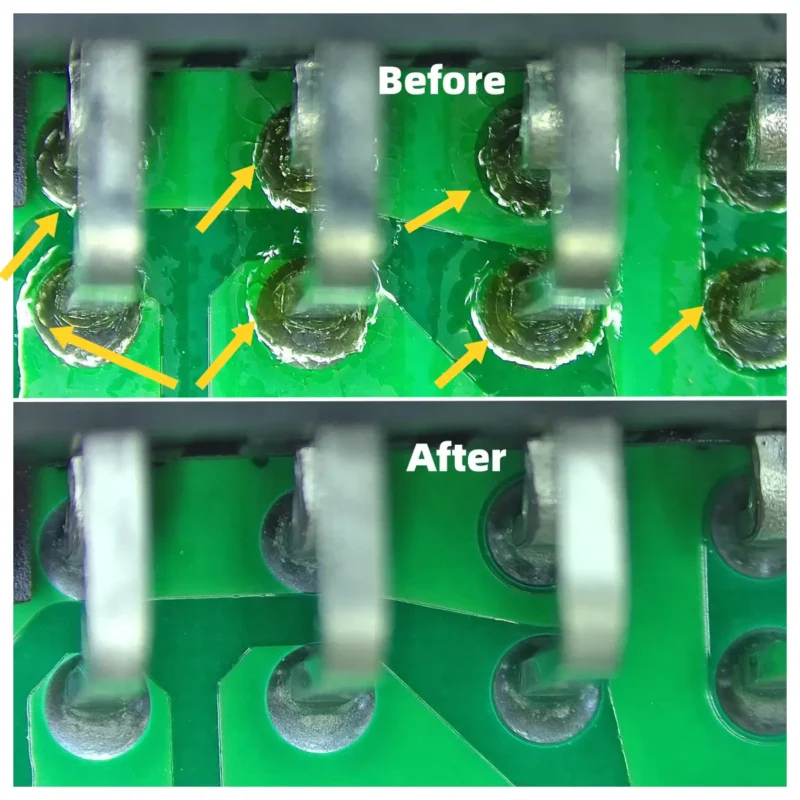
- High cleanliness: High-pressure and heated cleaning for heavy contamination.
- High automation: Suitable for mass production and continuous SMT production lines.
- Environmental friendly: Better compatibility with water-based cleaning agents.
Comparison Table
| Feature | Pneumatic | Electric |
| Power Source | Compressed air | Electric motor & water pump |
| Cleaning Method | Pneumatic rotary spray, air drying | High-pressure spray, mechanical movement, hot air drying |
| Initial Cost | Lower | Higher |
| Operating Cost | Low (air consumption only) | Medium to high (electricity, more maintenance) |
| Cleaning Performance | Stable, gentle to stencil tension | Stronger, higher cleanliness |
| Maintenance | Simple, fewer failures | Relatively complex, motor/pump upkeep needed |
| Typical Application | Solvent cleaning, flammable and explosive environments. | Water-based cleaning, routine environment. |
Conclusion
Choose pneumatic stencil cleaners for solvent-based cleaning, explosion-proof requirements, and cost-sensitive workshops.
Choose electric stencil cleaners for high-volume production, water-based processes, and higher cleanliness demands.
Call To Action
👉 Not sure which cleaner fits your factory?
Talk to our expert today.