How to Choose the Right Inline Cleaner for BGA, SiP, and Advanced Packaging Production
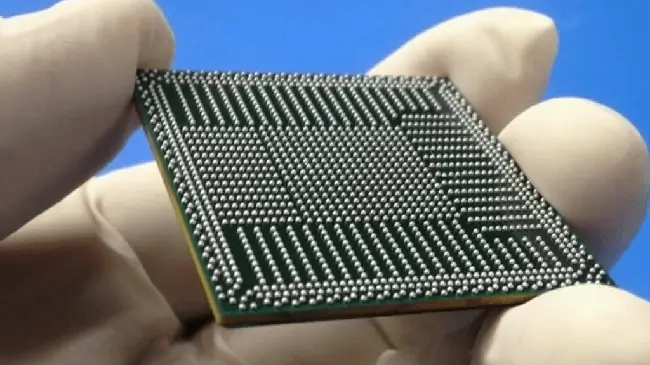
Choosing an inline cleaning euipment is one of the most important engineering decisions in modern electronics manufacturing. As packaging density increases and flux chemistry becomes more complex, the cleaning process directly affects yield, reliability, and long‑term product performance.
Yet many factories still struggle with selecting the right inline cleaner. Some choose based on price alone, others based on outdated specifications, and many underestimate the importance of automation, materials, and process control.
This guide breaks down the critical factors engineers must evaluate when selecting an inline cleaner — and shows how systems like FC610 align with these requirements.
The first and most important factor is cleaning capability. Not all inline cleaners can handle the same flux types or packaging structures.
Key considerations:
- Can it remove water‑soluble flux or no‑clean flux?
- Does it support low‑gap and high‑density BGA/SIP structures?
- Are spray pressure and nozzle angles adjustable?
- Does it maintain stable temperature and flow?
Why it matters
Flux residue is the #1 cause of:
- Non‑wetting
- Ionic contamination
- Dendritic growth
- CAF failures
A cleaner must deliver consistent, repeatable removal across all product types.
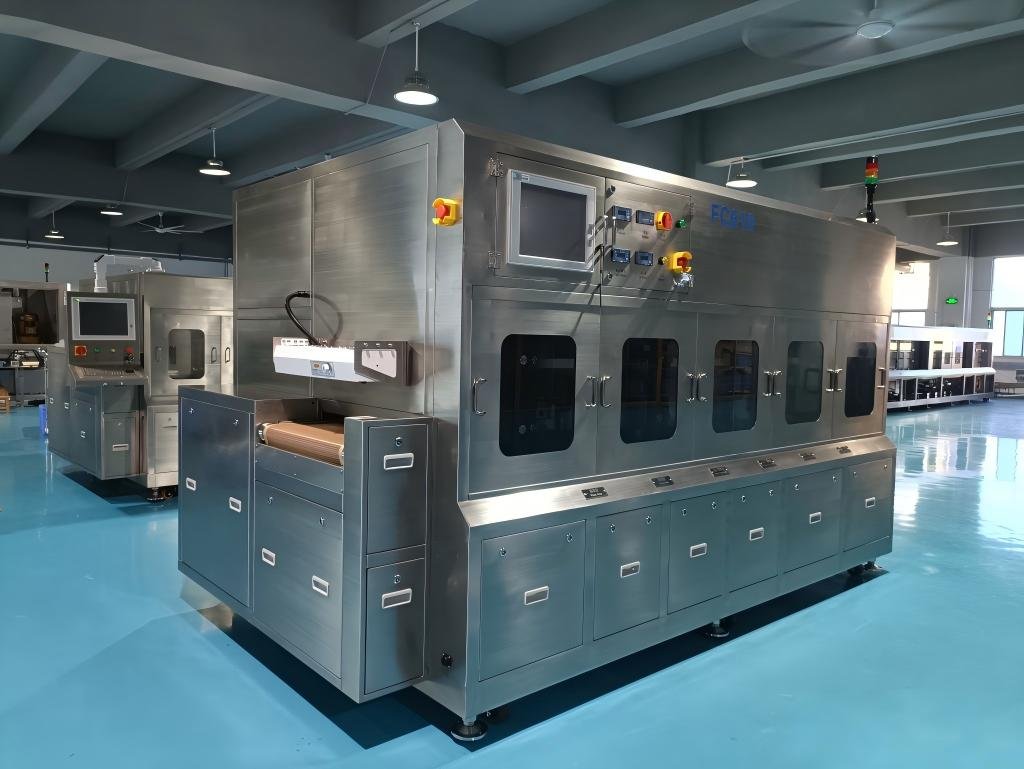
FC610 Example: The FC610 uses a four‑stage DI‑water cleaning process with optimized spray angles and adjustable pressure, ensuring stable performance for BGA.
2. Throughput & Production Line Compatibility
Inline cleaners must match the speed and capacity of your production line.
Evaluate:
- Conveyor speed
- UPH (units per hour)
- Product size compatibility
- SMEMA interface support
If the cleaner becomes a bottleneck, the entire line slows down.
FC610 Example: FC610 supports continuous inline operation, stable conveyor transport, and SMEMA compatibility for seamless integration.
3. Material & Structural Durability
Cleaning environments are harsh — hot DI water, humidity, and/or chemical vapors can damage poorly built machines.
A good inline cleaning machine should include:
- Full stainless‑steel construction
- Corrosion‑resistant chambers
- High‑temperature‑resistant conveyor (e.g., Kevlar mesh, or stainless-steel mesh)
- Leak detection systems
Durability directly affects maintenance cost and machine lifespan.
FC610 Example: FC610 uses a full stainless‑steel frame and dual‑layer Kevlar conveyor, ensuring long‑term stability.
4. Drying Efficiency
Drying is often overlooked — but moisture left on substrates can cause oxidation, ionic migration, or downstream defects.
Evaluate:
- Air‑knife pressure and angle adjustability
- Hot‑air drying temperature stability
- Watermark prevention
- Drying chamber length
FC610 Example: FC610 combines high‑pressure air knives with hot‑air drying, ensuring substrates exit fully dry.
5. Automation, Monitoring & Smart Factory Integration
Modern factories require data visibility and automation.
Must‑have features:
- SMEMA
- MES connectivity
- SECS/GEM (for semiconductor fabs)
- Real‑time alarms
- Temperature/pressure monitoring
- Recipe management
These features reduce human error and improve traceability.
FC610 Example: FC610 supports MES and SECS/GEM integration, making it ready for Industry 4.0 environments.
6. Maintenance & Operating Cost
A good inline cleaner should be easy to maintain and economical to operate.
Evaluate:
- Accessibility of nozzles and filters
- Energy consumption
- Water usage
- Spare parts availability
- Automatic water refill/drain
- Leak detection
FC610 Example: FC610 includes automatic water refill, leak detection, and easy‑access maintenance panels, reducing downtime.
7. Total Cost of Ownership (TCO)
Don’t choose based on purchase price alone. Consider:
- Yield improvement
- Reduced rework
- Lower labor cost
- Longer machine lifespan
- Energy savings
- Downtime reduction
A high‑quality cleaner often pays for itself within months.
8. Vendor Expertise & Support
Inline cleaning is a process — not just a machine. Choose a vendor with:
- Strong process engineering support
- Experience with BGA/SIP cleaning
- Fast response time
- Spare parts availability
- Training and documentation
FC610 Example: The FC610 is backed by a team specializing in semiconductor packaging cleaning, ensuring professional support.
Conclusion: What Makes a Good Inline Cleaner?
A great inline cleaner must deliver:
- Strong cleaning performance
- High throughput
- Durable construction
- Efficient drying
- Smart‑factory integration
- Low operating cost
- Reliable vendor support
The FC610 Inline Cleaner aligns with all these criteria, making it a strong choice for EMS, OSAT, and advanced packaging factories.
Call to Action
If you’re evaluating inline cleaners for BGA, CSP, or SiP production, explore the FC610 here: